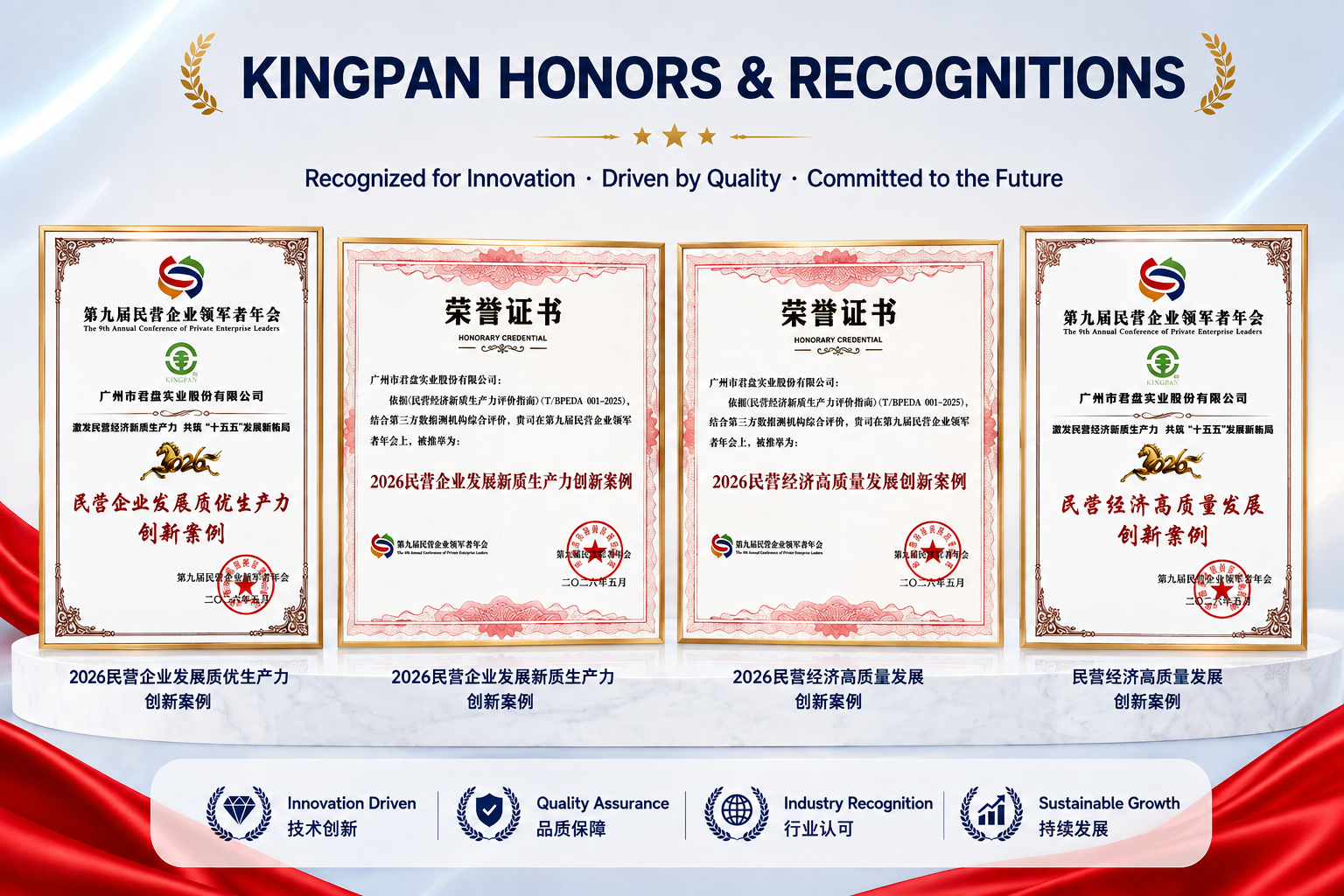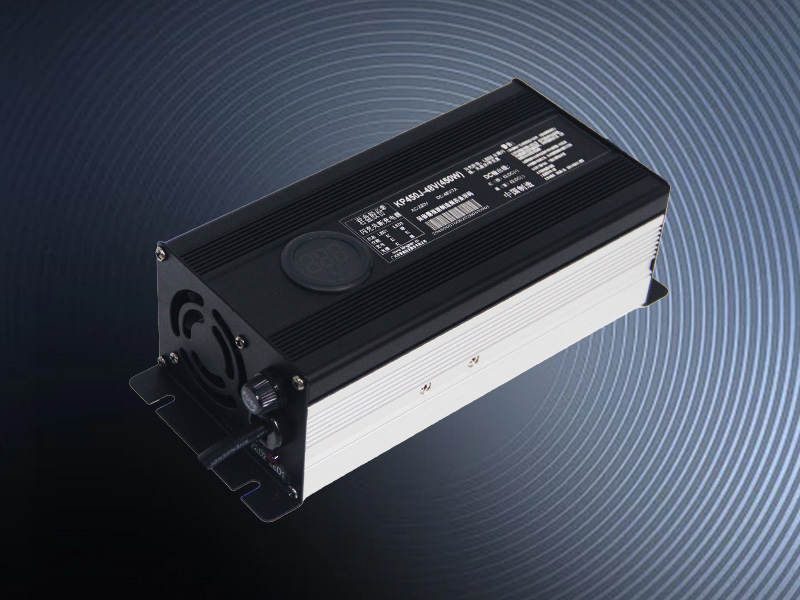
Building on years of accumulated expertise in power supply R&D, self-developed circuit boards and iterative charging algorithms, Kingpan Industry has officially announced its proprietary core technology — Variable Frequency & Variable Current Flash Charging with Cut-off Mode. This innovation fundamentally breaks the shackles of the century-old conventional CC (Constant Current) and CV (Constant Voltage) fixed charging mode widely adopted across the industry. It specifically addresses four major industry pain points: fire and explosion risks of electric vehicle batteries, false battery capacity, floating charge-induced battery damage, and incompatibility between lead-acid and lithium batteries. The technology fills the gap in safety technology for civilian electric vehicle charging and builds exclusive technical barriers for the sector.
Industry Dilemma: Inherent Structural Defects of Conventional Charging Modes
The vast majority of ordinary electric vehicle chargers available on the market currently adopt the classic two-stage CC-CV charging architecture with fixed and non-adjustable charging parameters. Unable to adapt to the real-time electrochemical status of batteries, they carry inherent safety and usability drawbacks, which are the primary triggers of charging fires in residential areas, battery bulging and aging, false capacity indication and reduced driving range.
- Lead-acid battery dedicated chargers: No power cut-off mechanism upon full charge. Persistent floating charge leads to battery temperature rise, water loss and aggravated plate vulcanization, which highly likely causes bulging, liquid leakage, spontaneous combustion and explosion. Meanwhile, long charging hours drastically shorten battery service life.
- Lithium battery dedicated chargers: Only software-based power cut-off at full charge without terminal pulse flash charging. Cell voltage imbalance occurs — the surface voltage reaches the standard while the internal capacity cannot be fully filled, resulting in false power for the last battery bar. Fast charging tends to precipitate lithium dendrites, creating hidden risks of short circuit and explosion.
- Limited compatibility: Conventional chargers are completely separated for lead-acid and lithium batteries; cross-use will directly break the battery protection board with severe safety hazards. Disordered noise in charging waveforms causes high-voltage current impact on battery plates and irreversible damage to battery structures.
Core Breakthrough: Official Definition of Kingpan’s Variable Frequency & Variable Current Flash Charging with Cut-off Technology
Different from the fixed charging logic of traditional products, Kingpan’s Variable Frequency & Variable Current Flash Charging with Cut-off Technology centers on a self-developed variable-frequency PWM main control chip, coordinated with high-precision sampling circuits, EMI filter circuits and closed-loop cut-off circuits. It synchronizes positive-negative electrode reactions, ion migration and electron movement, forming a fully dynamic adaptive intelligent charging system that ensures smooth electron embedding and stable circuit operation without abnormality. The system intelligently adjusts parameters in real time according to battery internal resistance, temperature, state of charge and aging degree.
Details of Four Core Technical Modules
- Variable frequency voltage regulation: Abandons fixed switching frequency with adaptive floating frequency ranging from 15kHz to 85kHz. Dynamically adjusts output voltage based on battery discharge level to avoid instantaneous high-voltage impact on batteries, compatible with new/aged batteries under high and low temperature conditions.
- Dynamic variable current: Eliminates rigid constant current output and adopts staged intelligent current regulation across the whole charging process. Low-voltage slow charging activates plates for deeply depleted batteries, safe fast charging supplements energy for moderately depleted batteries, and current reduction balances power near full charge to prevent violent charging with large current.
- Terminal pulse flash charging: Automatically switches to soft pulse waveforms when battery capacity hits 90%, eliminating concentration polarization inside batteries and balancing cell voltage differences to supplement deep capacity. It fundamentally resolves the issue of false last bar power and sudden power drop upon acceleration, ensuring genuine and accurate battery capacity.
- Four-criteria hardware zero-current cut-off: Distinct from the industry’s pseudo software power cut-off. The system verifies four indicators including stable voltage, qualified current, balanced cells and cooled temperature before cutting off the output circuit at the hardware level. Zero micro-current and zero floating charge after full charge completely eliminate the root cause of overheating and fire risks from overnight charging.
Technical Advantages: Bidirectional Compatibility Balancing Safety, Fast Charging and Battery Maintenance
Supported by the full set of self-developed charging algorithms and circuit board architecture (integrated design of safety protection, EMI filtering, sampling feedback, temperature control protection and pulse circuits), this technology achieves groundbreaking bidirectional compatibility and breaks charging barriers between different battery types:
- Enhanced safety: Lithium batteries attain the same stability level as lead-acid batteries during protection; no lithium precipitation or fire hazards in fast charging. Lead-acid batteries are free from floating charge, preventing bulging and water loss, enabling safe indoor charging and compliant home charging.
- Improved efficiency: Lead-acid batteries realize lithium-battery-level safe fast charging to shorten overall charging duration. Lithium batteries benefit from pulse balanced recharging to reach 100% full capacity every cycle and eliminate range loss caused by false power.
- Battery maintenance and lifespan extension: Smooth waveforms without noise enable stable charge embedding into battery active substances. The technology repairs slight plate vulcanization of lead-acid batteries and inhibits lithium dendrite formation in lithium batteries, effectively maintaining batteries and extending cycle life.
- Universal compatibility: Built-in intelligent battery identification system automatically distinguishes lead-acid and lithium batteries and matches exclusive charging curves. One charger is compatible with the two mainstream battery types for electric vehicles, cutting procurement costs for end users.
Technology Implementation: Full Self-Developed Production Chain to Guarantee Quality
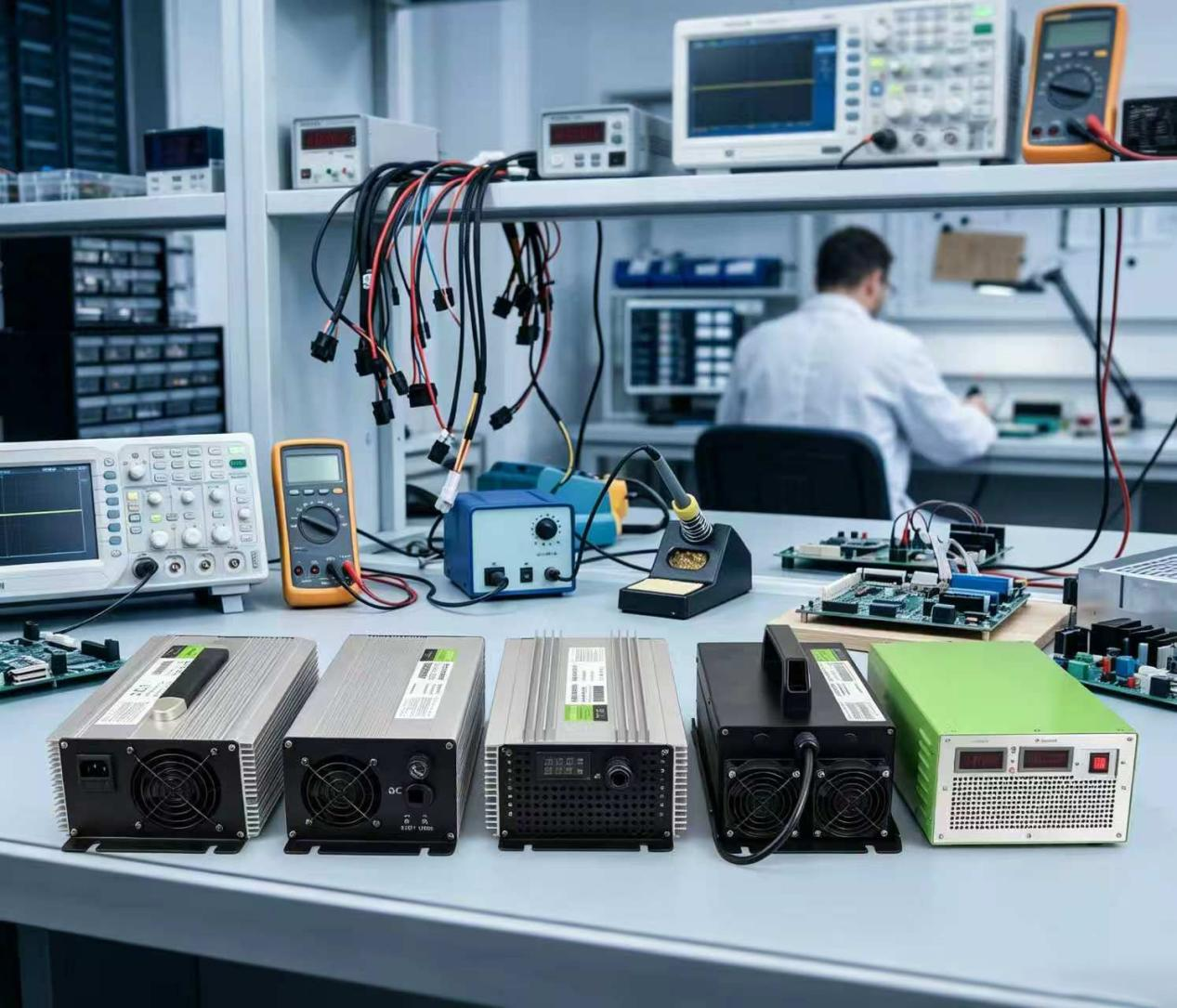
This technology is more than simple algorithm optimization. It is matched with Kingpan’s fully independent production processes, including wire stripping, circuit board component shaping, PCB SMT & through-hole assembly, shell drilling, aging testing and finished product packaging, all under standardized process control. The design is specially adapted to variable-frequency charging circuits to optimize heat dissipation and anti-interference performance of circuit boards. Every finished charger undergoes comprehensive tests including high-low temperature charging, full-charge cut-off, short circuit and overload testing to ensure stable delivery of technical performance.
Future Outlook
Kingpan Industry has long been deeply engaged in the field of intelligent charging for electric vehicles, focusing R&D on resolving industry safety pain points and bridging technical information gaps. The mass production and launch of Variable Frequency & Variable Current Flash Charging with Cut-off Technology marks not only an iterative overhaul of the century-old traditional charging mode, but also redefines the new charging standard of “safe fast charging + battery protection”. Moving forward, Kingpan will continue to invest in power supply algorithm R&D and hardware structure optimization, launching charging products with higher safety, wider compatibility and better durability. The company will facilitate the standardized and safe development of the electric vehicle charging industry, and provide more competitive charging solutions for end users and distribution partners.